Average Reviews:

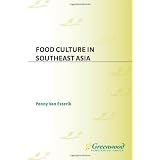
(More customer reviews)This book is about the history, culture and the progression of food that is consumed, produced and flavored in Southeast Asia. The author does a wonderful job at explaining how colonization and the different empires influenced the population that now exists in Southeast Asia. The history relates to the recipes directly and provides insight into the different spices and how those spices originated into the culture. The book talks about the different types of rice, fruits, fish and other major ingredients in Southeast Asia food. The other focus of the book is recipes and the different cultural settings of how a meal is prepared, who prepares it, how and where it is consumed. Some of the things that the book points out are the different combinations of fruits; rice, spices and preparation make Southeast Asia Cuisine unique.
The book is filled with interesting facts, such as Lao PDR produces 3,200 different kinds of rice and 85% of them are glutinous rice. Glutinous rice is generally hardier rice and can survive droughts, salinity, and floods better than its non-glutinous relative. Noodles are another important part of meals and can be ordered narrow or wide, wet, dry or fried, served with or without fish balls, ground pork, chicken or shrimp.
The book is full of this type of information to prepare the traveler for the type of food and culture that they would encounter on their travels. The recipes are simple and easy to read and prepare. This book gives you a history lesson and facts about preparation and flavor of the food, allowing you to taste the flavor of Southeast Asia.
Click Here to see more reviews about: Food Culture in Southeast Asia (Food Culture around the World)
Southeast Asian cuisines, such as Thai, have become quite popular in the United States even though immigrant numbers are low. The food is appealing because it is tasty, attractive, and generally healthful, with plentiful vegetables, fish, noodles, and rice. Food Culture in Southeast Asia is a richly informative overview of the food and foodways of the mainland countries including Burma, Thailand, Lao, Vietnam, Cambodia, and Malaysia, and the island countries of Singapore, Brunei, East Timor, Indonesia, and the Philippines.Students and other readers will learn how diverse peoples from diverse geographies feed themselves and the value they place on eating as a material, social, and symbolic act.
Chapter 1, Historical Overview, surveys the archaeological and historical evidence concerning mainland Southeast Asia, with emphasis on the Indianized kingdoms of the mainland and the influence of the spice trade on subsequent European colonization. Chapter 2, Major Foods and Ingredients, particularly illuminates the rice culture as the central source of calories and a dominant cultural symbol of feminine nurture plus fish and fermented fish products, local fresh vegetables and herbs, and meat in variable amounts. The Cooking chapter discusses the division of labor in the kitchen, kitchens and their equipment, and the steps in acquiring, processing and preparing food. The Typical Meals chapter approaches typical meals by describing some common meal elements, meal format, and the timing of meals. Typical meals are presented as variations on a common theme, with particular attention to contrasts such as rural-urban and palace-village. Iconic meals and dishes that carry special meaning as markers of ethnic or national identity are also covered. Chapter 6, Eating Out, reviews some of the options for public eating away from home in the region, including the newly developed popularity of Southeast Asian restaurants overseas. The chapter has an urban, middle-class bias, as those are the people who are eating out on a regular basis. The Special Occasions chapter examines ritual events such as feeding the spirits of rice and the ancestors, Buddhist and Muslim rituals involving food, rites of passage, and universal celebrations around the coming of the New Year. The final chapter on diet and health looks at some of the ideologies underlying the relation between food and disease, particularly the humoral system, and then considers the nutritional challenges related to recent changes in local food systems, including food safety.

Click here for more information about Food Culture in Southeast Asia (Food Culture around the World)